
Paid vs. Owned vs. Earned Media: Understanding the Differences and Strategic Roles
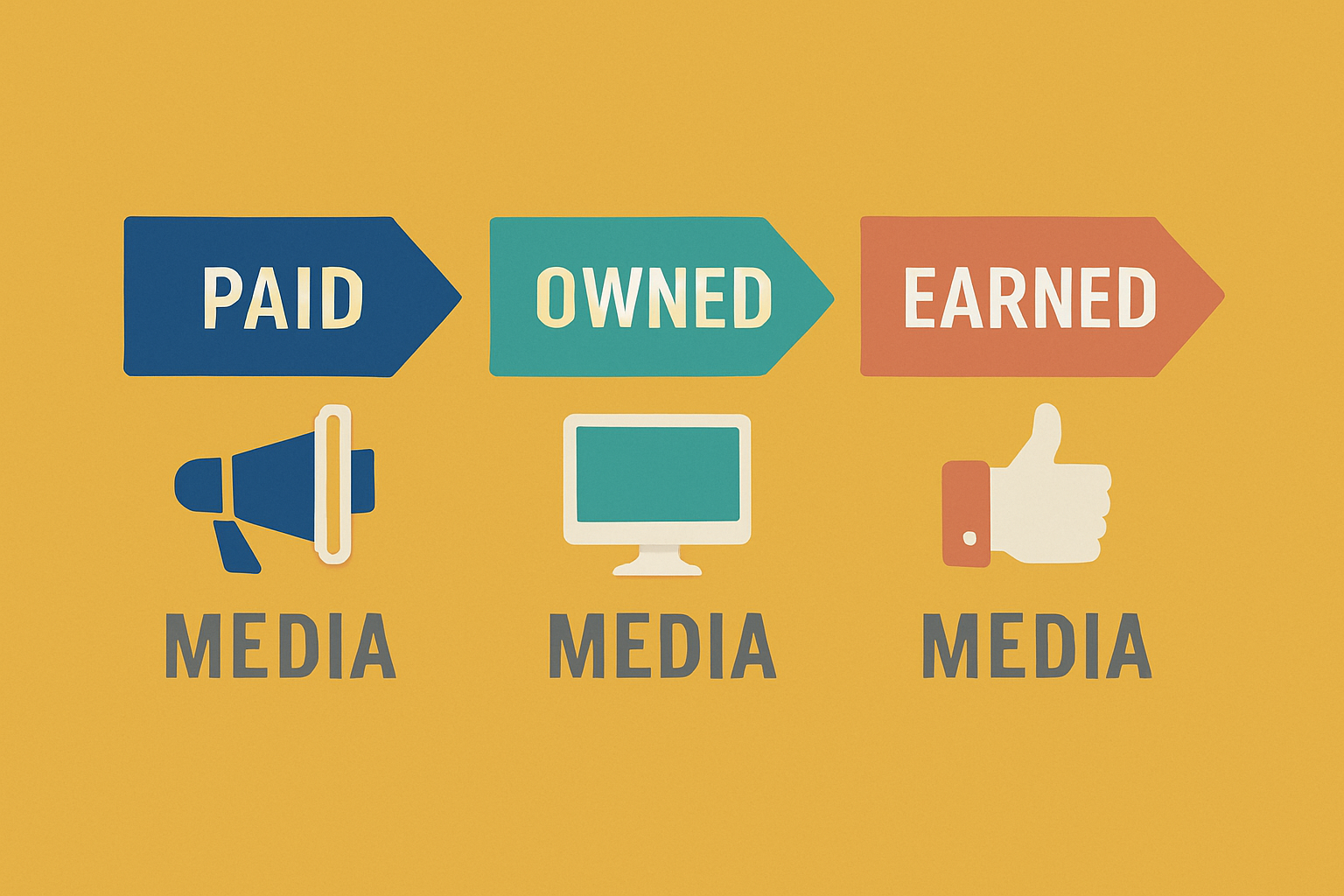
In modern marketing, success depends on using the right combination of channels. The media landscape is commonly divided into three categories: paid, owned, and earned media. Each plays a unique role in brand visibility, customer engagement, and long-term growth. Understanding the differences and how they complement each other is key to developing a well-rounded marketing strategy.
What Is Paid Media?
Paid media refers to any external marketing effort that involves a cost to promote your content or brand. It includes traditional advertising and digital formats designed to reach targeted audiences quickly.
Examples of paid media:
- Google Ads (search and display)
- Social media ads (Facebook, Instagram, LinkedIn, X)
- Sponsored content and influencer partnerships
- Display advertising and retargeting campaigns
- Programmatic advertising
Paid media is effective for driving traffic, launching new products, or amplifying time-sensitive promotions. It’s trackable, scalable, and offers immediate reach, but it also requires consistent budget allocation to sustain performance.
What Is Owned Media?
Owned media includes all the digital assets that your brand controls. These channels are long-term investments that serve as the foundation for building trust and brand authority.
Examples of owned media:
- Your company website
- Landing pages and blogs
- Email newsletters
- Social media profiles
- Mobile apps and customer portals
Owned media gives you full control over messaging, design, and user experience. It supports inbound marketing strategies and plays a crucial role in lead nurturing, brand education, and conversion. Over time, strong owned assets reduce reliance on paid efforts.
What Is Earned Media?
Earned media is the exposure a brand receives through organic mentions, shares, or coverage by third parties. It’s typically the result of effective public relations, quality content, and customer satisfaction.
Examples of earned media:
- Media coverage and press mentions
- Customer reviews and testimonials
- Social media shares and reposts
- Blog mentions and backlinks
- Word-of-mouth referrals
Earned media is powerful because it carries third-party credibility. Consumers trust reviews and recommendations more than branded messaging. However, it is less controllable and often requires consistent effort and excellent customer experiences to cultivate.
How They Work Together
The most effective marketing strategies integrate all three types of media. For example:
- Use paid media to drive traffic to owned content like blog posts or product pages.
- Encourage satisfied customers to leave reviews, which builds earned media credibility.
- Share earned media mentions on owned channels to reinforce brand reputation.
This media triad creates a flywheel effect. Paid drives exposure, owned nurtures relationships, and earned boosts credibility. Together, they increase return on marketing investment and long-term brand equity.
Measuring Success Across Channels
Each media type has its own success metrics:
- Paid: Click-through rate, cost per lead, conversion rate, ROI
- Owned: Organic traffic, time on page, email open and click rates
- Earned: Share of voice, backlink profile, social mentions, brand sentiment
Tracking these metrics helps marketers understand which efforts are generating results and how to shift resources for maximum impact.
Final Considerations
Understanding paid, owned, and earned media allows marketing leaders to build integrated campaigns that balance short-term gains with long-term growth. Whether launching a product, scaling a brand, or improving customer engagement, a coordinated media mix provides the best chance of sustainable success.