
Direct Marketing: How to Reach the Right People with the Right Offer
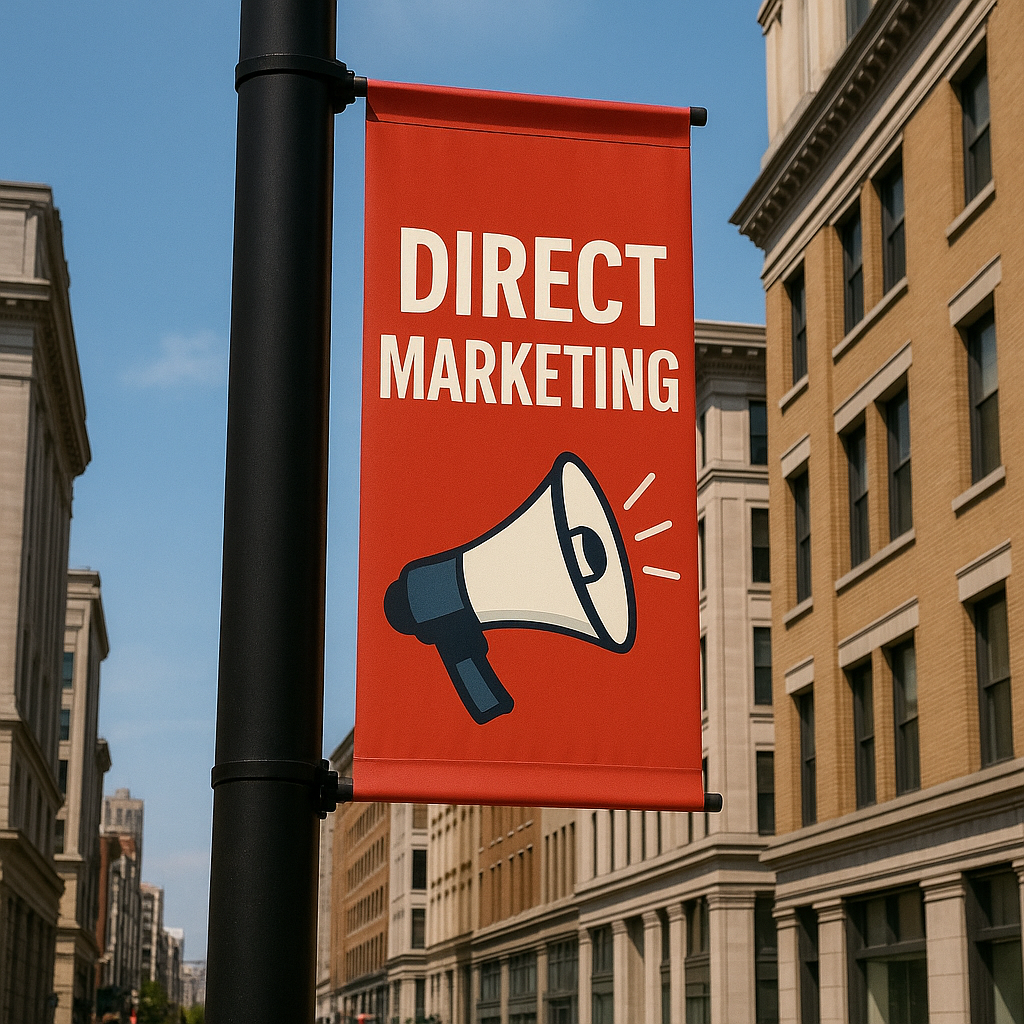
With rising competition and declining organic reach across platforms, marketers are looking for ways to cut through the noise and deliver their message more effectively. Direct marketing offers a powerful solution. It enables brands to communicate with specific individuals, deliver personalized offers, and measure results with precision. Whether your goal is to generate leads, boost conversions, or re-engage past customers, direct marketing provides the control and accountability modern campaigns demand.
What Is Direct Marketing
Direct marketing is a promotional strategy that targets specific individuals or groups with tailored messages intended to prompt a direct response. Unlike mass advertising, which casts a wide net, direct marketing focuses on one-to-one communication. Channels commonly used include email, SMS, direct mail, telemarketing, and social media messaging. The core objective is to generate a measurable action such as a purchase, registration, referral, or inquiry.
Key Characteristics of Direct Marketing
1. Targeted
Direct marketing campaigns are highly segmented. They use customer data to reach specific audiences based on location, behavior, purchase history, or demographic traits. This improves relevance and increases the likelihood of conversion.
2. Personalized
Messages are customized to speak directly to the recipient. Personalization can range from using the person’s name to offering tailored product recommendations or referencing recent interactions with your brand.
3. Action-Oriented
Every direct marketing piece includes a clear call to action. Whether it is to click a link, call a number, redeem a coupon, or reply to a message, the goal is immediate and trackable engagement.
4. Measurable
Unlike brand-focused campaigns, direct marketing allows marketers to track response rates, conversion rates, and return on investment with precision. This data-driven approach supports continuous optimization.
Types of Direct Marketing Channels
Email Marketing
Email remains the most widely used form of direct marketing due to its low cost, scalability, and automation potential. With segmentation, drip sequences, and dynamic content, brands can send highly relevant emails to specific groups based on behavior or lifecycle stage.
SMS and Text Messaging
SMS offers immediate visibility with high open rates. It is effective for time-sensitive promotions, order confirmations, appointment reminders, and personalized offers. SMS campaigns work best when they are short, clear, and respectful of timing.
Direct Mail
While often considered traditional, direct mail still delivers strong results—especially in local and high-value B2B campaigns. Personalized postcards, catalogs, and letters can stand out in a digital world and drive physical response.
Telemarketing
Telemarketing involves calling potential customers to promote a product, collect feedback, or nurture leads. It can be effective in B2B or high-consideration purchases but must be handled professionally to avoid intrusion.
Social Media Messaging
Platforms like Facebook Messenger, LinkedIn InMail, and Instagram DMs allow for direct outreach to prospects and customers. These messages feel personal and often bypass algorithm limitations, making them valuable tools when used thoughtfully.
Benefits of Direct Marketing
Precision Targeting
Direct marketing gives brands the ability to speak only to the audience segments that matter. This reduces waste, increases relevance, and improves conversion rates compared to mass advertising.
Higher ROI
Because campaigns are tightly targeted and responses are measurable, direct marketing often delivers a higher return on investment. Budget can be focused on audiences most likely to act.
Faster Feedback Loops
Direct marketing campaigns generate immediate data, allowing marketers to test, refine, and optimize in real time. This agility supports better decision-making and faster improvements.
Relationship Building
One-to-one communication fosters stronger relationships. By showing that you understand the individual’s needs and preferences, you build trust and increase loyalty over time.
Challenges of Direct Marketing
List Quality
Your campaign is only as effective as the data behind it. Poor segmentation or outdated contact lists can result in low engagement or deliverability issues. Maintaining clean, compliant, and enriched customer databases is essential.
Compliance and Privacy
With regulations such as GDPR, CAN-SPAM, and CASL, marketers must ensure that all direct marketing activities are permission-based and transparent. Unsolicited or irrelevant outreach can damage reputation and lead to penalties.
Message Fatigue
Overuse of direct tactics can lead to opt-outs and disengagement. It is important to balance promotional messages with value-added content and respect the frequency preferences of your audience.
Best Practices for Effective Direct Marketing
Start with Clean Data
Verify, segment, and enrich your contact lists. Use behavioral data, purchase history, and demographics to build precise audiences. Always secure explicit consent where required.
Craft a Compelling Offer
Your offer must be relevant and valuable to the recipient. Whether it is a discount, resource, or exclusive invite, it should be strong enough to prompt immediate action.
Write Clear and Personalized Copy
Use natural language that sounds human. Address the reader directly and make the benefit clear within the first few lines. Tailor the message to match the audience’s interests and context.
Include a Strong Call to Action
Tell your audience exactly what you want them to do. Use action verbs, limited-time language, and visual hierarchy to guide the response. Make it easy to complete the action with minimal steps.
Test and Measure
Always test different subject lines, offers, and timing. Use A-B testing to determine what works best for each audience segment. Track key metrics and use insights to refine future campaigns.
Direct marketing remains one of the most accountable and adaptable forms of outreach available to brands today. When built on quality data and executed with thoughtful personalization, it delivers consistent results across industries. As customer expectations continue to rise, direct marketing allows you to cut through the noise with relevance, clarity, and purpose—turning attention into action at every stage of the funnel.