
EAT and Google’s 2021 Algorithm: What Marketers Must Know to Rank Higher
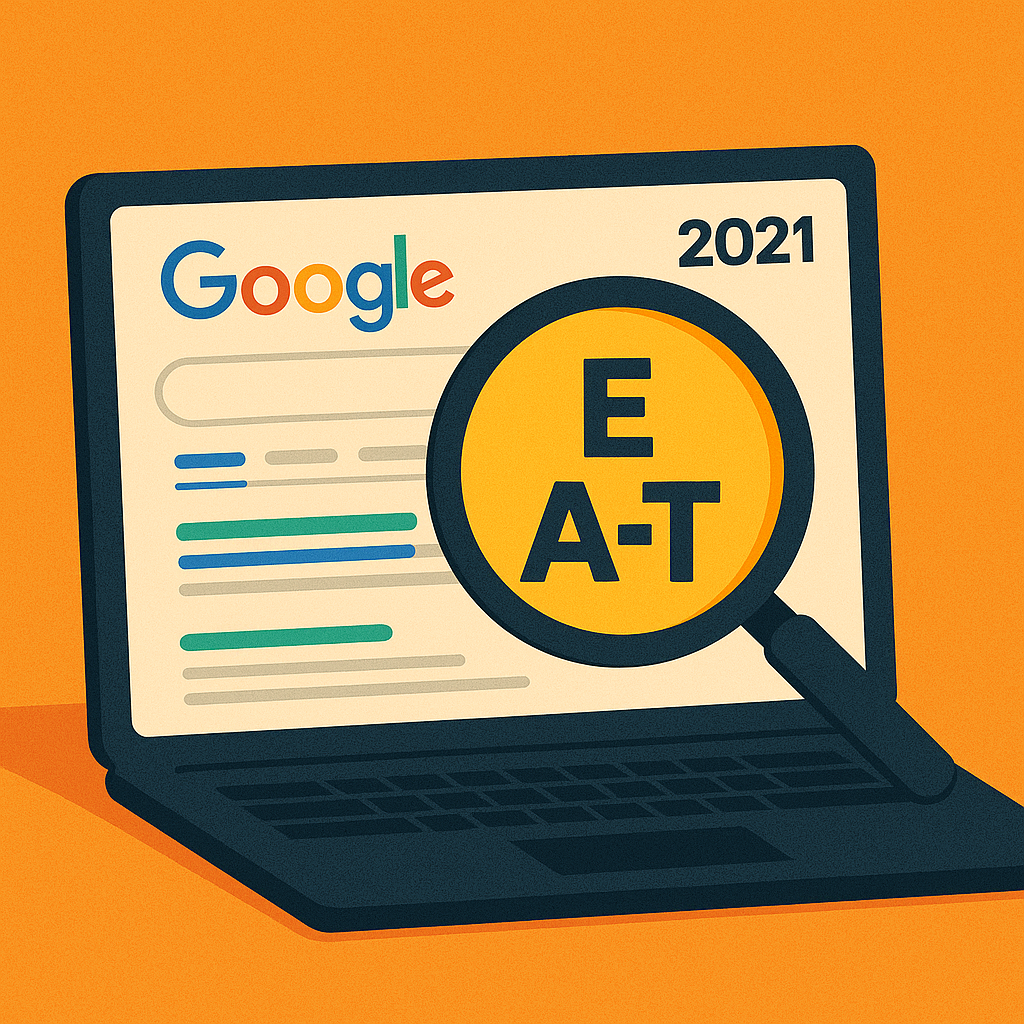
Google just made significant updates to its search algorithm, placing even greater importance on content quality and website credibility. At the center of this shift was a renewed emphasis on EAT and Google’s 2021 algorithm. EAT stands for Expertise, Authoritativeness, and Trustworthiness, and it has become a critical framework for improving rankings and sustaining visibility in search results. It is the foundation of modern SEO.
What Is EAT in SEO
EAT stands for Expertise, Authoritativeness, and Trustworthiness. These are the criteria Google uses to evaluate the quality of a website and the credibility of its content. Originally introduced in Google’s Search Quality Evaluator Guidelines, EAT helps human reviewers assess whether a site delivers real value to users. These same principles are now deeply embedded into Google’s ranking systems through automated signals.
Why Google Focused on EAT
With the rise of misinformation and low-quality content, especially in sensitive areas such as health, finance, and legal topics, Google needed to ensure that only trustworthy pages ranked highly. The 2021 algorithm updates elevated EAT as a central evaluation standard. Instead of relying solely on keyword optimization or backlinks, Google began prioritizing content that demonstrated clear expertise, credible authorship, and reliable sourcing.
Key Industries Most Affected
Google refers to these high-stakes industries as YMYL, or Your Money or Your Life, topics. These include finance, healthcare, legal advice, and safety-related information. Sites that publish content in these categories without proven authority saw significant drops in visibility during the 2021 core updates. Demonstrating EAT is especially crucial in these spaces.
How to Improve EAT for Your Website
While there is no direct EAT score, there are many practical ways to align your content with Google’s quality expectations. These improvements apply to both individual content pieces and your overall website reputation.
1. Show Author Expertise
Each piece of content should be written or reviewed by someone with recognized expertise in the subject matter. Include author bios with credentials, link to their professional profiles, and explain why the author is qualified to speak on the topic.
2. Use Trusted Sources and Data
Support your content with links to authoritative sources, including government websites, peer-reviewed studies, and recognized industry leaders. Citing accurate data increases trust and credibility with both users and search engines.
3. Build an Authoritative Domain
Google evaluates your entire site, not just individual pages. Maintain consistent publishing standards, keep your content up to date, and create a strong internal linking structure that reinforces your expertise across categories. A well-organized site with rich, educational content signals authority.
4. Collect and Showcase Reviews
Positive customer reviews, testimonials, and third-party ratings contribute to trust. Google evaluates off-site signals like Google Business ratings, Yelp profiles, and industry directories as part of your trustworthiness score.
5. Improve Transparency and Contact Information
Make it easy for visitors to find out who you are. Include detailed About pages, clear contact information, privacy policies, and editorial standards. These pages demonstrate professionalism and responsibility, especially on ecommerce or informational sites.
Technical SEO That Supports EAT
Google’s systems evaluate EAT through both content signals and technical infrastructure. Schema markup, for example, helps search engines understand who wrote the content, when it was published, and what credentials the author holds. Make use of structured data for articles, organizations, and products where applicable.
Site Security and Usability
Google considers page experience part of trustworthiness. Ensure your site uses HTTPS, loads quickly, and works smoothly across mobile and desktop. Broken links, spammy ads, and poor formatting reduce the perception of credibility and can negatively affect rankings.
Examples of EAT in Action
WebMD, Investopedia, and Healthline are strong examples of high EAT websites. These brands back every article with medically reviewed content, clearly list the authors and editors, and follow rigorous publishing standards. As a result, they consistently perform well on competitive keywords in their categories.
On a smaller scale, niche blogs or ecommerce brands can also build EAT by publishing detailed product guides, case studies, expert Q&A interviews, and user testimonials. You do not need to be a global brand to build authority—you just need to be consistent and transparent.
Adapting Your SEO Strategy Post 2021
The release of Google’s 2021 algorithm made it clear that content quality and site credibility outweigh quick-win tactics. Focusing on EAT and Google’s 2021 algorithm means shifting your strategy toward long-term reputation building. This includes investing in editorial standards, strengthening your author network, and backing up your claims with real data and user validation.
In competitive industries, the brands that rise to the top are not always the ones with the biggest budgets. They are the ones with the clearest voice, the strongest reputation, and the most trustworthy presence. That is what EAT delivers—and that is why it is here to stay.