
Google Tools for Beginners
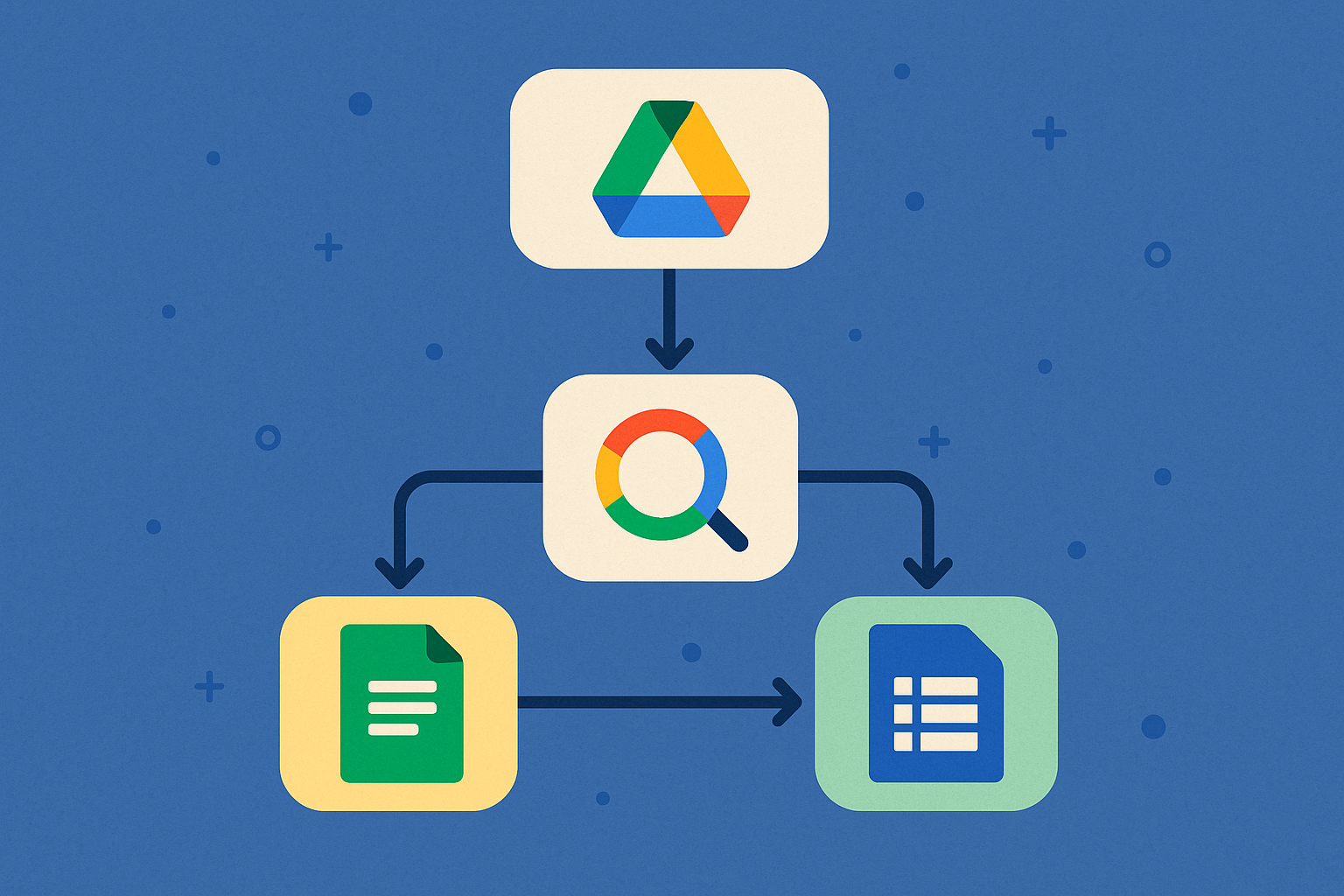
Whether you are a fan of Google or a critic of its practices, one fact is undeniable: Google offers a wide range of free tools that can significantly benefit marketers. By simply logging into a Google account, users gain access to powerful resources that support market research, performance tracking, campaign optimization, and customer behavior analysis.
Below are some of the most essential Google tools that beginners in marketing should become familiar with.
Google AdSense
Google AdSense allows website owners to earn passive income by displaying ads on their content. This is especially useful for websites that may not generate high traffic but still have value. By placing a small piece of code in the header, sidebar, or body of your website, you can begin generating revenue whenever users interact with the ads displayed on your site.
Google Ads (formerly AdWords)
If your organic traffic is not producing the results you need, launching a paid search campaign with Google Ads can be a highly effective alternative. By bidding on targeted keywords, you can attract qualified traffic to your website. Google Ads provides advanced targeting features that allow you to define your audience by location, device, interests, and more. When managed well, the return on investment from paid traffic can surpass the cost of the ads themselves.
Google Keyword Planner
For those planning an online advertising campaign, Google Keyword Planner is a valuable tool. It helps you identify keywords that are both relevant and competitive, allowing you to optimize your campaign for the best performance. The tool provides insights into keyword popularity, average monthly searches, and cost-per-click estimates. This information can help you build a strategic keyword list that supports both SEO and PPC efforts.
Google Alerts
Google Alerts is a simple yet powerful tool that keeps you informed about the latest developments in your industry. You can create alerts for your brand name, competitors, or specific keywords. When new content related to your alert appears in Google’s search index, you receive a notification. This allows you to monitor trends, track competitor mentions, and stay ahead of industry shifts—all in real time.
Google Analytics
Google Analytics is widely considered the most powerful tool in a digital marketer’s toolkit. It provides deep insights into website traffic, user behavior, and conversion performance. You can track where your visitors come from, what devices they use, what content they interact with, and how long they stay on your site. Google Analytics also offers valuable demographic data, such as geographic location, browser type, and traffic source, helping you understand what channels drive the most valuable traffic to your business.
More Google Tools to Explore
In addition to the tools mentioned above, Google offers many other resources for marketers, including:
- Google Trends – for analyzing the popularity of search terms over time
- Google Tag Manager – for managing website tracking codes without needing to update your website manually
- Google Data Studio – for visualizing data and creating custom marketing dashboards
- Google Business Profile – for managing your online presence on Google Search and Maps
Each of these tools can contribute to different areas of your marketing strategy, from SEO and content planning to performance tracking and competitive analysis.
Getting Started with Google Tools
To take advantage of these free resources, all you need is a Google account and a willingness to explore. Start with one or two tools that align with your immediate goals, and expand your usage as your strategy evolves. With consistency and attention to detail, Google tools can provide you with the insights and capabilities needed to grow your brand effectively.