
Heatmapping in Marketing: See What Your Users See
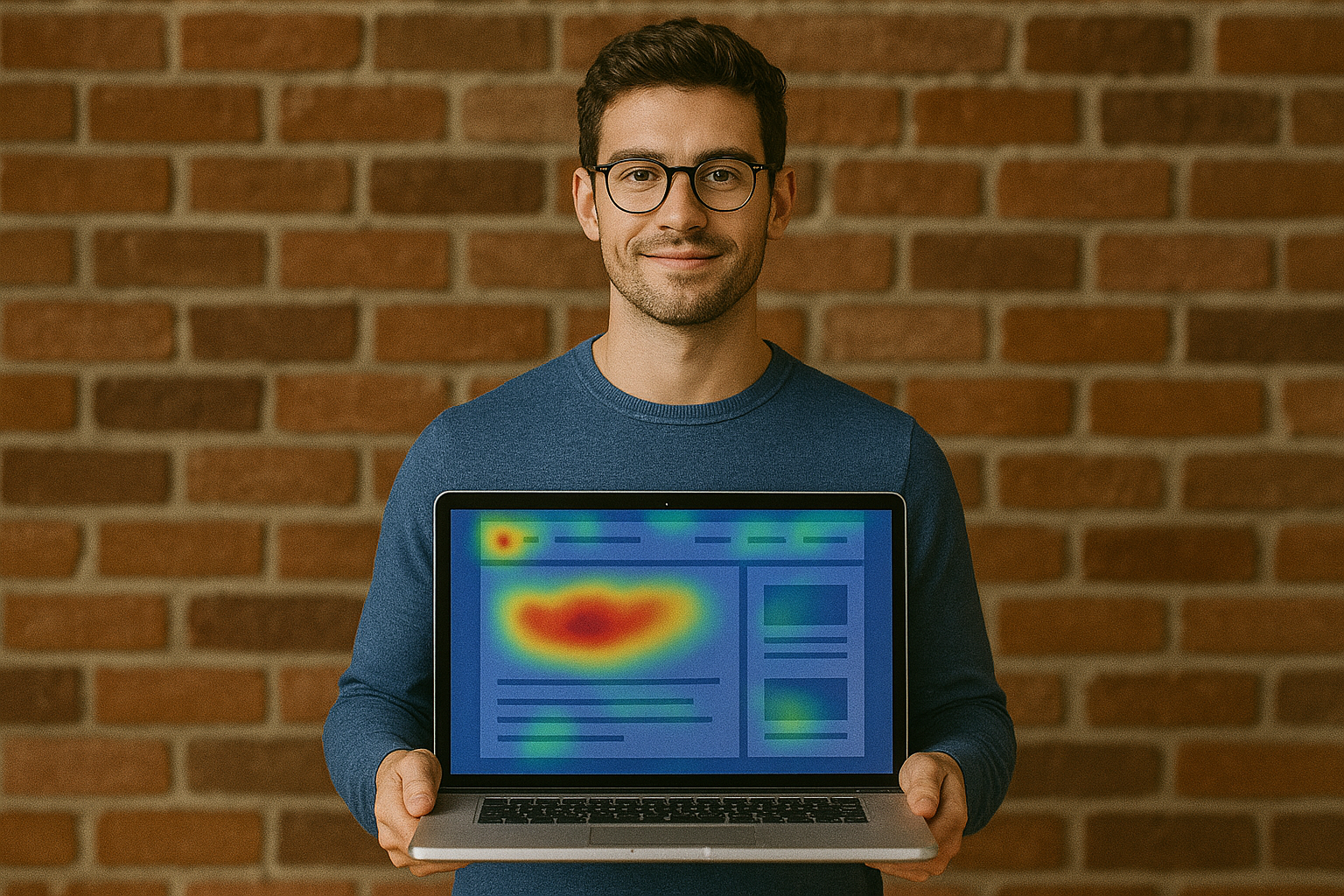
Heatmapping is a powerful visual tool that helps marketers understand how users interact with a website or digital product. Instead of guessing where users click, scroll, or hover, heatmaps provide concrete visual evidence of user behavior. This enables better design decisions, optimized conversion paths, and improved user experiences across digital assets.
What Is Heatmapping?
Heatmapping refers to the practice of using data visualization to represent how users engage with a webpage. This visual overlay uses color gradients to indicate intensity. Warmer colors like red and orange show areas with high engagement, while cooler colors like blue and green indicate low interaction. The result is an easy to interpret snapshot of user activity.
Heatmaps can track a variety of user behaviors including clicks, scrolls, and mouse movements. When combined with analytics and A/B testing, heatmaps allow marketers to pinpoint performance issues that may otherwise go unnoticed.
Types of Heatmaps
1. Click Heatmaps
These maps show where users click on a page, including both internal navigation and dead clicks on non clickable elements. If users are consistently clicking on something that does not lead anywhere, that is a clear signal for redesign or content adjustment.
2. Scroll Heatmaps
Scroll heatmaps show how far users scroll down a page. They help identify the fold and reveal where visitors are losing interest. If only a small percentage of users reach the bottom of your landing page, your most important content may need to be moved higher up.
3. Hover Heatmaps
Also called mouse tracking heatmaps, these show where users move their cursor across the screen. While not always directly tied to clicks, hover data gives clues about what areas capture user attention or cause hesitation.
Why Heatmapping Matters in Marketing
Heatmaps go beyond traditional analytics by offering context. Numbers can tell you that a page is underperforming, but heatmaps show you why. They reveal friction points, visual distractions, and gaps in content hierarchy. By addressing these insights, you can significantly increase engagement and conversion rates.
Marketers also use heatmaps to optimize CTAs, reduce bounce rates, and refine copy placement. Even small tweaks like moving a button above the fold or adjusting spacing can have measurable impact when guided by real user behavior data.
Use Cases for Heatmapping
- Landing Pages: Identify which sections are being ignored and reposition key messages or CTAs accordingly
- Form Optimization: Discover which form fields cause drop offs or confusion
- Ecommerce: See how users navigate product listings, where they click, and which filters or images draw attention
- Blog Content: Find out how many readers finish your articles and which parts they linger on the most
- A/B Testing: Combine heatmaps with testing tools to understand why one variant performs better than another
Popular Heatmapping Tools
- Hotjar: Offers click, scroll, and session recording along with feedback polls
- Crazy Egg: Provides comprehensive heatmaps and A/B testing integration
- Microsoft Clarity: A free tool with heatmaps, session recordings, and performance analytics
- Lucky Orange: Includes live chat, dynamic heatmaps, and real time visitor interaction
How to Get the Most from Heatmaps
To use heatmaps effectively, start with a clear hypothesis. Are users missing the CTA? Is your product image too far down the page? Once you deploy heatmaps, look for patterns and anomalies. Then make incremental changes and retest.
Pair heatmapping with tools like Google Analytics or session recordings to get both quantitative and qualitative insights. Use heatmaps regularly on high traffic pages to ensure your site remains user friendly and conversion optimized as your content evolves.
Heatmapping is not a one time fix. It is a continuous process of observation, testing, and refinement that helps you stay in sync with how real users experience your brand online.