
Inbound vs Outbound Marketing in the Age of COVID-19
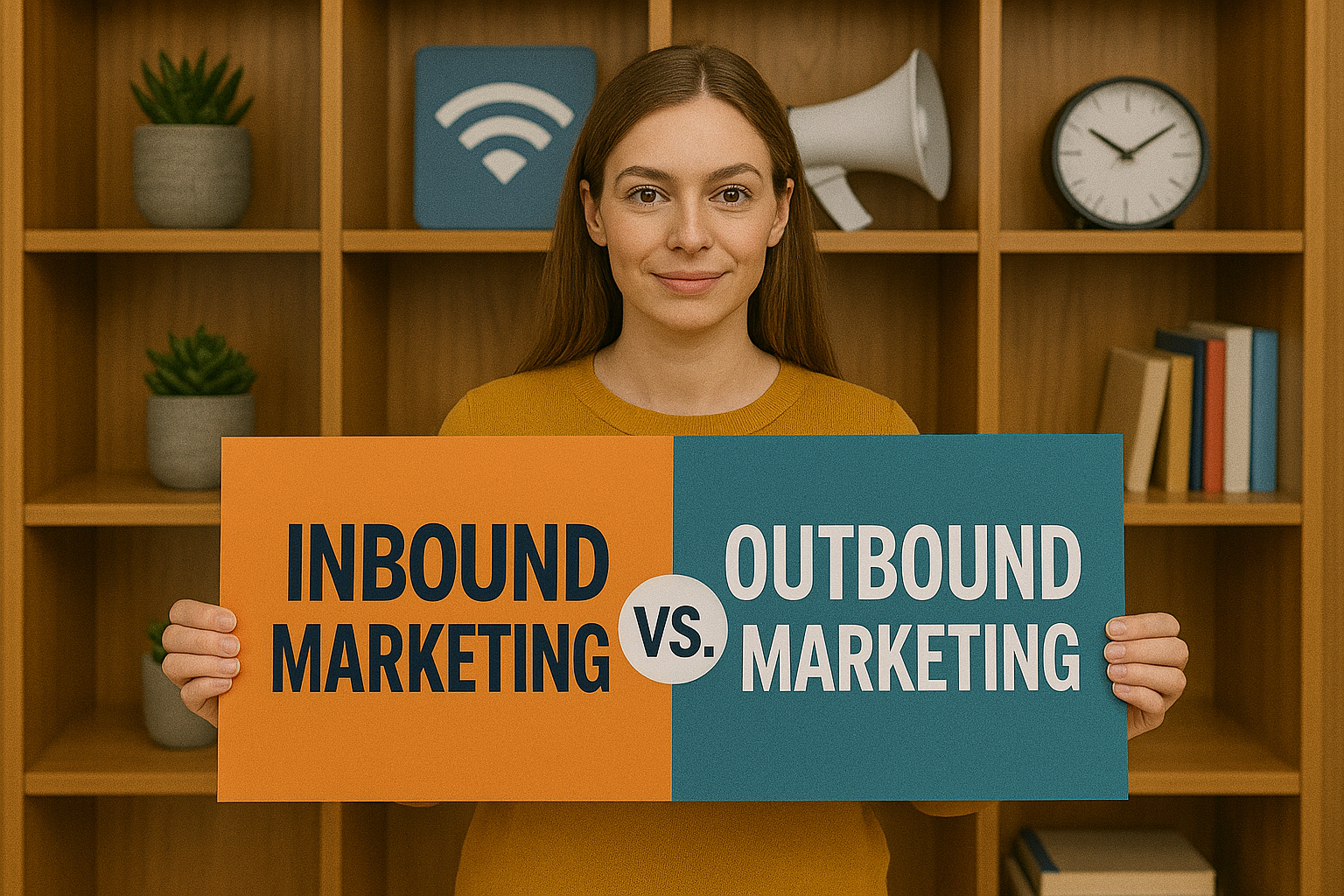
The global pandemic has shifted nearly every aspect of how businesses operate, and marketing is no exception. During this period of uncertainty, consumer behaviors have changed dramatically, forcing brands to rethink how they attract, engage, and convert leads. Whether through inbound or outbound marketing, adaptability has been the key to survival and growth.
How COVID-19 Reshaped Buyer Behavior
With more people working remotely, shopping online, and spending time on digital platforms, the demand for authentic, helpful, and empathetic communication has skyrocketed. Consumers are more skeptical of aggressive sales tactics and more responsive to brands that offer value, solve real problems, and show understanding. This change has made inbound strategies even more relevant while also forcing outbound tactics to become more targeted and human.
Inbound Marketing During COVID-19
Inbound marketing focuses on pulling audiences in through valuable content, SEO, social media, and nurturing strategies. During the pandemic, this approach became essential for brands that needed to maintain long-term trust and engagement. Educational blogs, downloadable resources, webinars, and email nurturing sequences provided audiences with answers, comfort, and inspiration.
Businesses that already had a content engine in place were able to pivot quickly. Those that didn’t had to invest rapidly in content creation, lead magnets, automation tools, and personalized journeys. SEO also took center stage as more customers turned to Google to research services they couldn’t access physically.
Outbound Marketing Adjustments
Outbound marketing, including cold outreach, paid media, and display ads, needed a reset. Traditional ad messaging suddenly felt tone-deaf if it failed to reflect the social or emotional context of the pandemic. Brands had to rethink their creative tone, shift budgets to digital channels, and prioritize relevance over reach.
Sales teams also faced resistance from cold email and phone outreach. The solution was to pivot outbound efforts to be more conversational, informative, and helpful. Campaigns began to focus on offering free trials, extended demos, or valuable insights rather than pushing for a hard close.
Balancing the Two Approaches
Companies that succeeded during COVID-19 found ways to blend inbound and outbound strategies. For example, using inbound tactics to warm up leads—through downloadable guides or webinar sign-ups—and then using outbound outreach to follow up with personalized messaging. The shift created a hybrid approach where outbound efforts served as an extension of inbound engagement rather than an interruption.
What Worked Well
- Sharing real-time, relevant content that addressed challenges like remote work or disrupted supply chains
- Running paid social campaigns that promoted helpful resources rather than hard-sell offers
- Segmenting email lists to send tailored communications based on industry or customer behavior
- Hosting virtual events that replaced physical conferences and trade shows
- Using CRM and marketing automation platforms to track engagement and personalize follow-ups
Both inbound and outbound marketing have remained essential tools throughout COVID-19. However, success came to those who redefined their approach with empathy, flexibility, and strategy. The shift continues, and the lessons learned are likely to shape the future of marketing well beyond the pandemic.