
Lead Nurturing Strategies That Convert
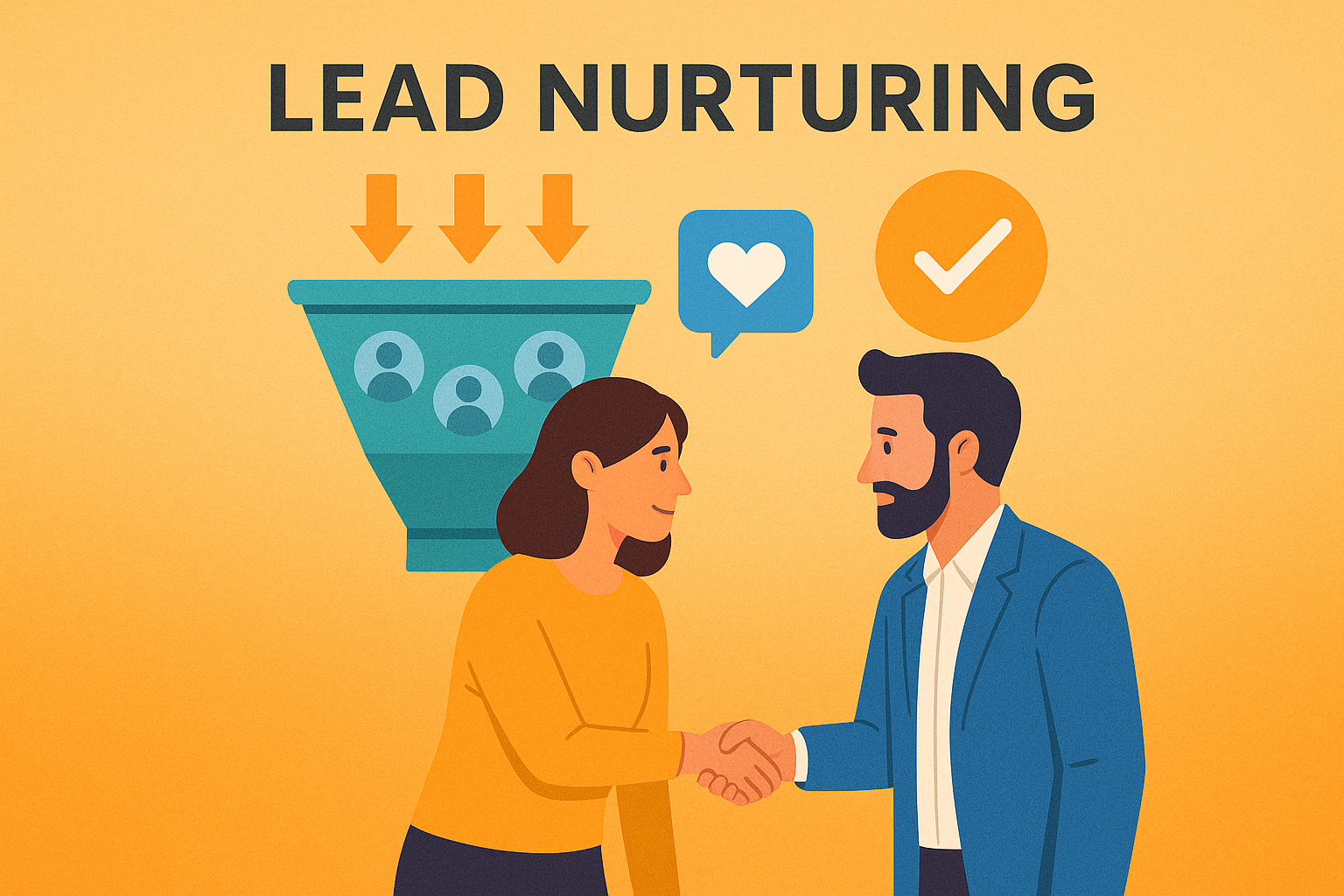
Lead nurturing is the process of building relationships with potential customers at every stage of the sales funnel and through every step of the buyer’s journey. Instead of pushing for a quick sale, lead nurturing focuses on providing relevant content, value, and trust—so when prospects are ready to make a decision, your brand is top of mind.
Why Lead Nurturing Matters
Most leads are not ready to buy the moment they first interact with your brand. Studies show that only a small percentage of website visitors convert on their first visit. That means if you don’t follow up with them, you’re leaving money on the table.
Effective lead nurturing helps you keep the conversation going. It allows your brand to educate, engage, and guide potential customers until they are sales-ready. It’s especially important in B2B and high-consideration B2C industries where the buying process is longer and more complex.
Core Components of a Lead Nurturing Strategy
- Email Marketing Workflows: Automated email sequences are the cornerstone of most lead nurturing programs. These emails can deliver educational content, case studies, offers, and reminders over time, based on user behavior.
- Segmentation: Tailor your messages to specific audience segments based on demographics, behavior, lead source, or engagement history. Personalized messaging drives higher engagement.
- Content Mapping: Map content to different stages of the funnel. For example, blog articles and checklists for awareness, webinars and whitepapers for consideration, and case studies or product demos for decision.
- Behavioral Triggers: Use actions like email clicks, page visits, or downloads to automatically trigger next steps in your nurturing sequence. This keeps the flow responsive and relevant.
- Multi-Channel Touchpoints: Email is not the only way to nurture leads. Incorporate retargeting ads, SMS, direct mail, and social engagement to maintain visibility.
Best Practices for High-Impact Lead Nurturing
- Set Clear Goals: Whether it’s booking a demo or downloading a whitepaper, know what actions you want nurtured leads to take.
- Optimize Email Cadence: Don’t overwhelm your leads. Send content at a frequency that builds value without causing fatigue.
- Test and Optimize: Continuously A/B test subject lines, calls to action, content formats, and send times to improve performance.
- Score and Qualify Leads: Use lead scoring to determine when a contact is ready to be passed to the sales team.
Examples of Lead Nurturing in Action
Example 1: SaaS Product Trial
A user signs up for a 14-day trial. During the trial, they receive a series of emails with feature highlights, customer success stories, and usage tips. On day 10, a special offer is sent to encourage upgrade before the trial ends.
Example 2: Real Estate Lead
Someone downloads a home buyer’s guide. Over the next few weeks, they receive emails with listings in their area, articles on mortgage tips, and finally an invitation to schedule a free consultation with an agent.
Tools to Support Lead Nurturing
- HubSpot
- Marketo
- ActiveCampaign
- Mailchimp
- Klaviyo
These platforms allow you to build automated workflows, track behavior, segment contacts, and integrate with your CRM for end-to-end lead management.
Final Takeaway
Lead nurturing is not about sending emails at random. It’s about delivering the right message to the right person at the right time. By building trust, educating your audience, and staying top of mind, you can dramatically increase conversions while shortening the sales cycle.