
Lead Scoring Models Explained: Manual vs Predictive Strategies for Smarter B2B Marketing
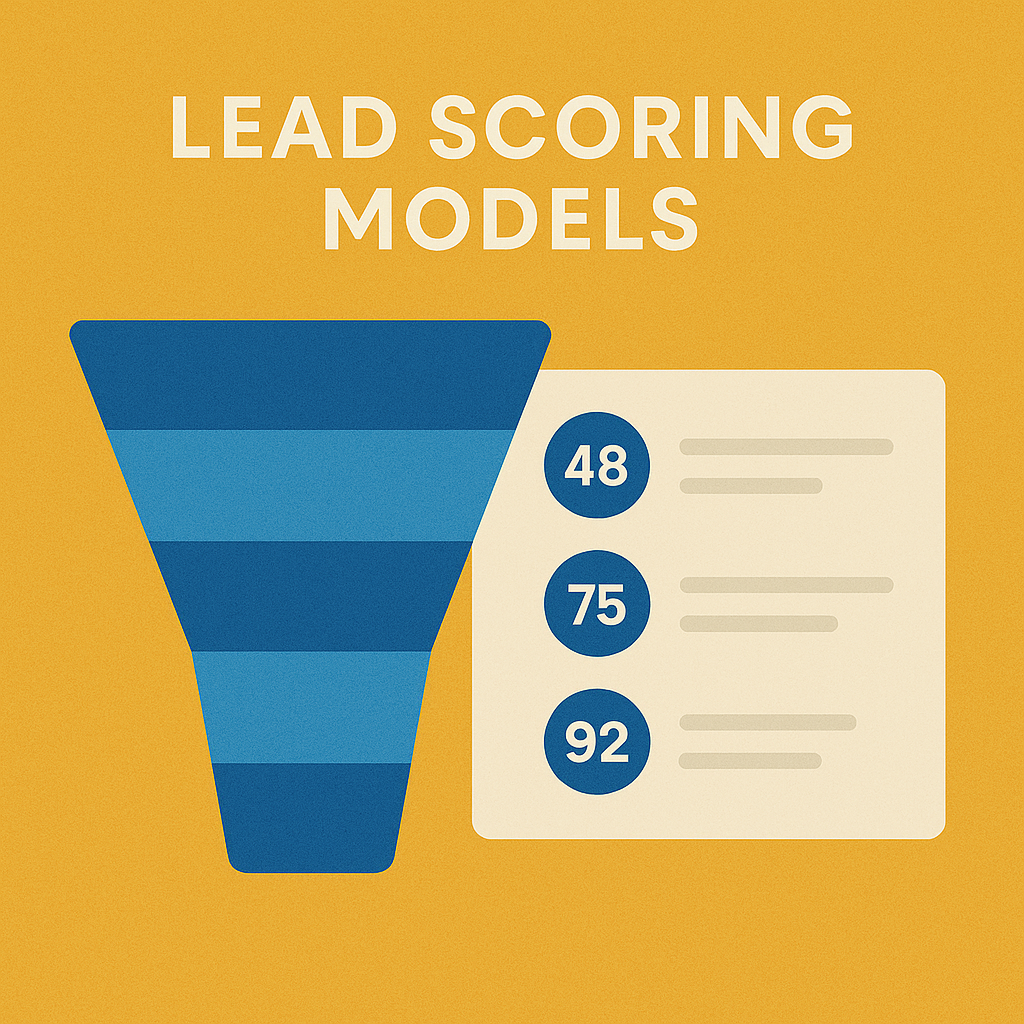
Not all leads are created equal, and treating every lead the same is one of the fastest ways to waste time and budget. That is where lead scoring models become essential. These models help B2B marketers evaluate leads based on their likelihood to convert, enabling more efficient pipeline management and better collaboration between marketing and sales.
What Are Lead Scoring Models?
Lead scoring models are frameworks used to assign value to leads based on a mix of demographic, behavioral, and firmographic data. The goal is to prioritize leads who are most likely to convert, while filtering out those who are not yet sales-ready. A strong scoring model increases conversion rates and helps sales teams focus on the right opportunities.
Lead Scoring in B2B Marketing
In B2B, lead quality is more important than quantity. With long sales cycles and multiple decision-makers, it is critical to know which leads are worth pursuing now and which need more nurturing. Lead scoring models bring structure and consistency to this evaluation process.
Manual Lead Scoring: A Rule-Based Approach
Manual lead scoring uses a rule-based system to assign points to leads based on predefined behaviors and attributes. These rules are often created by marketing and sales teams based on experience and knowledge of their target market.
How Manual Scoring Works
In a manual model, each lead action or attribute contributes a set number of points toward a total lead score. For example:
- A lead who downloads an eBook receives 10 points
- A lead who attends a webinar is assigned 15 points
- A visit to the pricing page adds 5 points
- If the lead’s job title includes “Vice President” or “Director,” they receive an additional 20 points
- If the lead uses a personal email domain such as Gmail or Yahoo, 10 points are subtracted
Once a lead reaches a certain score threshold, they are flagged as a marketing-qualified lead and passed to the sales team.
Benefits of Manual Scoring
- Simple to set up and easy to understand
- Fully customizable based on your internal criteria
- Provides clear logic that can be easily adjusted over time
Limitations of Manual Scoring
- Often based on assumptions rather than actual data
- Can be outdated if not reviewed regularly
- Difficult to scale as lead volume increases
Predictive Lead Scoring: A Data-Driven Model
Predictive lead scoring uses machine learning to evaluate historical data and identify which leads are most likely to convert. It looks at hundreds of variables across your CRM, marketing automation platform, and third-party sources to generate scores based on real outcomes.
How Predictive Scoring Works
The model is trained on past leads that became customers versus those that did not. It identifies behavioral and firmographic patterns, then scores new leads based on their similarity to high-converting profiles. The more historical data available, the more accurate the model becomes.
Benefits of Predictive Lead Scoring
- Uncovers patterns that humans may miss
- Continuously updates and adapts as new data comes in
- Allows for automated lead qualification at scale
Challenges of Predictive Scoring
- Requires clean and consistent CRM data
- Scoring logic is not always visible to marketers or sales teams
- Requires time and technical resources to implement effectively
Manual vs Predictive: Which Lead Scoring Model Is Right for You?
Choosing between manual and predictive lead scoring models depends on your resources, data maturity, and business needs. Each approach has strengths depending on where your marketing organization stands today.
Manual Scoring Is Best If:
- You are just starting out with lead qualification
- You want full control over scoring rules and criteria
- Your lead volume is manageable without automation
Predictive Scoring Is Best If:
- You have a large database of historical lead data
- You want data-driven lead qualification without manual effort
- Your business needs to scale quickly with limited headcount
Best Practices for Building an Effective Lead Scoring Strategy
Regardless of the model you choose, an effective lead scoring strategy requires planning, alignment, and continuous refinement. Here are five key practices:
1. Define Your Ideal Customer Profile
Start by identifying what your most successful customers have in common. Consider job titles, company size, industry, region, and buying triggers. This will serve as your baseline for both manual and predictive models.
2. Align with Sales on Lead Qualification Criteria
Sales and marketing must agree on what defines a marketing-qualified lead. Collaborate on scoring rules and thresholds to ensure leads are sales-ready before they are handed over.
3. Combine Behavioral and Demographic Signals
Look at both what a lead does and who they are. A C-level executive visiting your pricing page twice in a week carries more weight than a junior marketer reading a blog post. Good lead scoring models consider both.
4. Keep Your Model Updated
Buyer behavior changes over time. Review and refine your model regularly to ensure it reflects current sales cycles, campaign performance, and market shifts. Predictive models can adapt automatically, but manual models require regular updates.
5. Use the Right Tools
Several platforms support both manual and predictive scoring. Tools like HubSpot, Salesforce, Marketo, and Pardot allow you to create scoring rules, track behaviors, and sync with CRM workflows. Predictive platforms like 6sense or MadKudu can integrate with your existing stack for deeper insights.
Lead Scoring Is a Strategic Advantage
Effective lead scoring models do more than sort your database. They give your team the ability to focus on the most valuable opportunities and deliver the right message at the right time. Whether you use a manual model to start or invest in predictive scoring to scale, the key is to treat lead scoring as an ongoing optimization process. With the right model in place, marketing drives better results, and sales closes faster.