
Marketing Project Management Tools and Best Practices
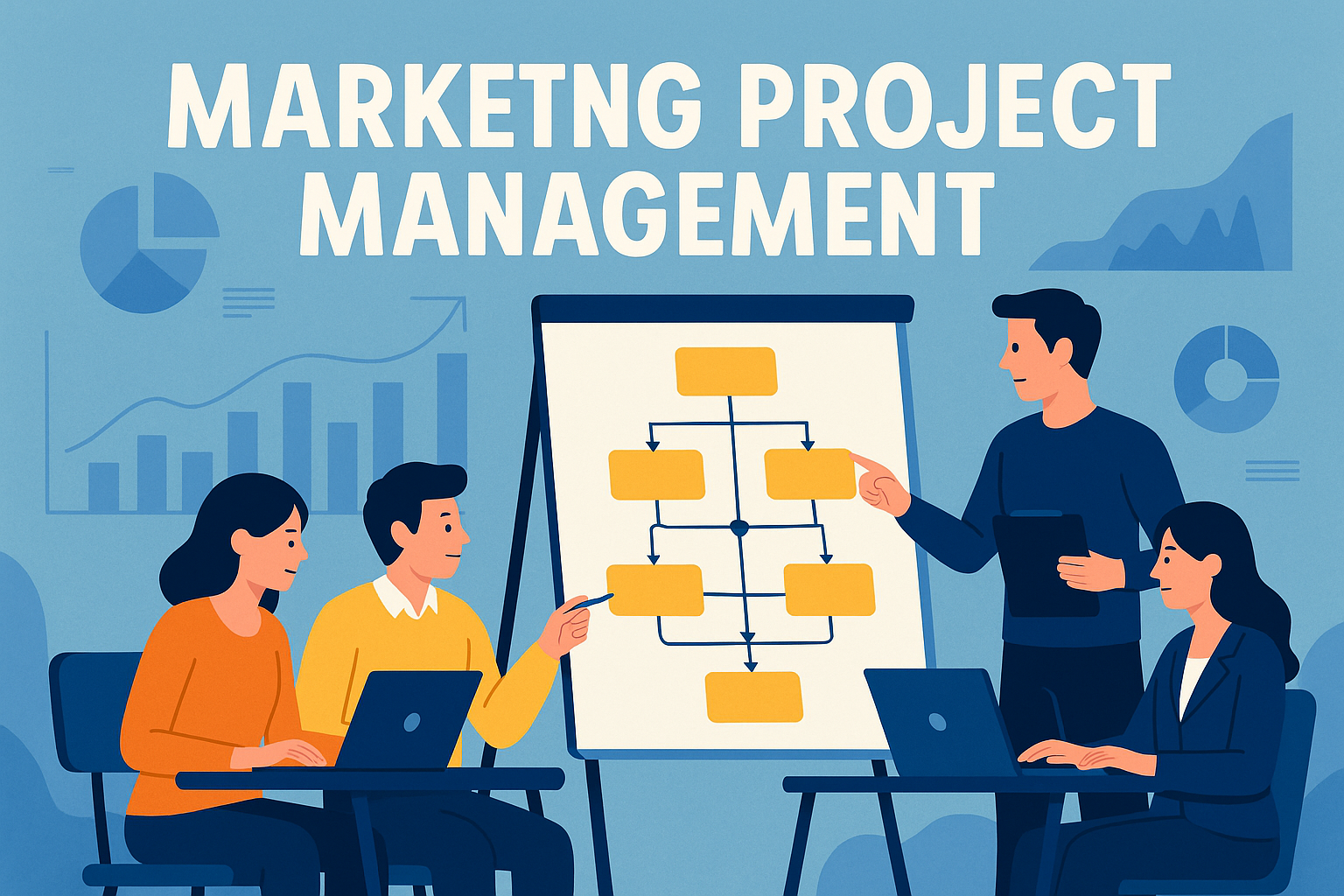
Marketing project management is the foundation of successful execution in today’s fast-paced digital landscape. With campaigns growing in complexity and teams often distributed across departments or geographies, a structured project management approach ensures clarity, accountability, and timely delivery.
Why Marketing Project Management Matters
Whether you’re launching a new product, running a seasonal campaign, or producing a content calendar, marketing teams juggle a high volume of tasks and stakeholders. Without proper coordination, deadlines get missed, budgets overrun, and campaign results suffer. Project management for marketing is not just about keeping to-do lists—it’s about aligning goals, resources, and timelines to drive business outcomes.
Core Components of Marketing Project Management
- Goal Definition: Every project starts with a clear objective—brand awareness, lead generation, user acquisition, or engagement.
- Scope and Deliverables: Outline what needs to be created: blog posts, ad creatives, landing pages, emails, or video content.
- Roles and Responsibilities: Assign ownership to each team member to avoid duplicated work or missed tasks.
- Timeline and Milestones: Set deadlines for each phase of the project to maintain momentum and visibility.
- Feedback Loops: Establish structured review stages for creative assets, copy, and approvals.
- Reporting and Optimization: Post-launch, analyze KPIs and identify lessons for future projects.
Popular Marketing Project Management Tools
Technology makes marketing project management more efficient and transparent. Here are some tools commonly used by modern marketing teams:
1. Asana
Asana is known for its intuitive interface, task assignments, timeline views, and campaign templates. It helps marketing teams collaborate on everything from content calendars to multi-channel launches.
2. Trello
Trello uses a card-and-board system ideal for managing content pipelines, editorial calendars, and creative workflows. It’s especially popular with smaller teams and agencies.
3. Monday.com
This platform offers customizable workflows and visual dashboards that track campaign progress in real time. It supports marketing-specific templates for email campaigns, event planning, and product launches.
4. Wrike
Wrike provides advanced features like time tracking, proofing, and Gantt charts, making it a good choice for larger marketing departments and creative teams.
5. ClickUp
ClickUp combines task management, document collaboration, time tracking, and campaign dashboards into one interface. It’s popular for unifying cross-functional teams.
Best Practices for Managing Marketing Projects
- Create repeatable processes: Standardize your workflows with templates to reduce ramp-up time for new campaigns.
- Use briefs for clarity: Develop detailed creative briefs to align designers, copywriters, and stakeholders.
- Centralize communication: Avoid scattered feedback by using a single platform for comments, approvals, and updates.
- Measure outcomes: Integrate analytics tools to track the performance of your deliverables against KPIs.
- Conduct post-mortems: After each project, review what worked and what didn’t to improve future execution.
Bringing It All Together
Effective marketing project management transforms chaos into coordination. By using structured frameworks and the right tools, marketing leaders can ensure campaigns run smoothly from strategy to execution. As marketing continues to evolve, project management will remain essential to maintaining agility and delivering measurable results.