
Winning the SERP Without the Click: Strategies for Zero Click Search Optimization
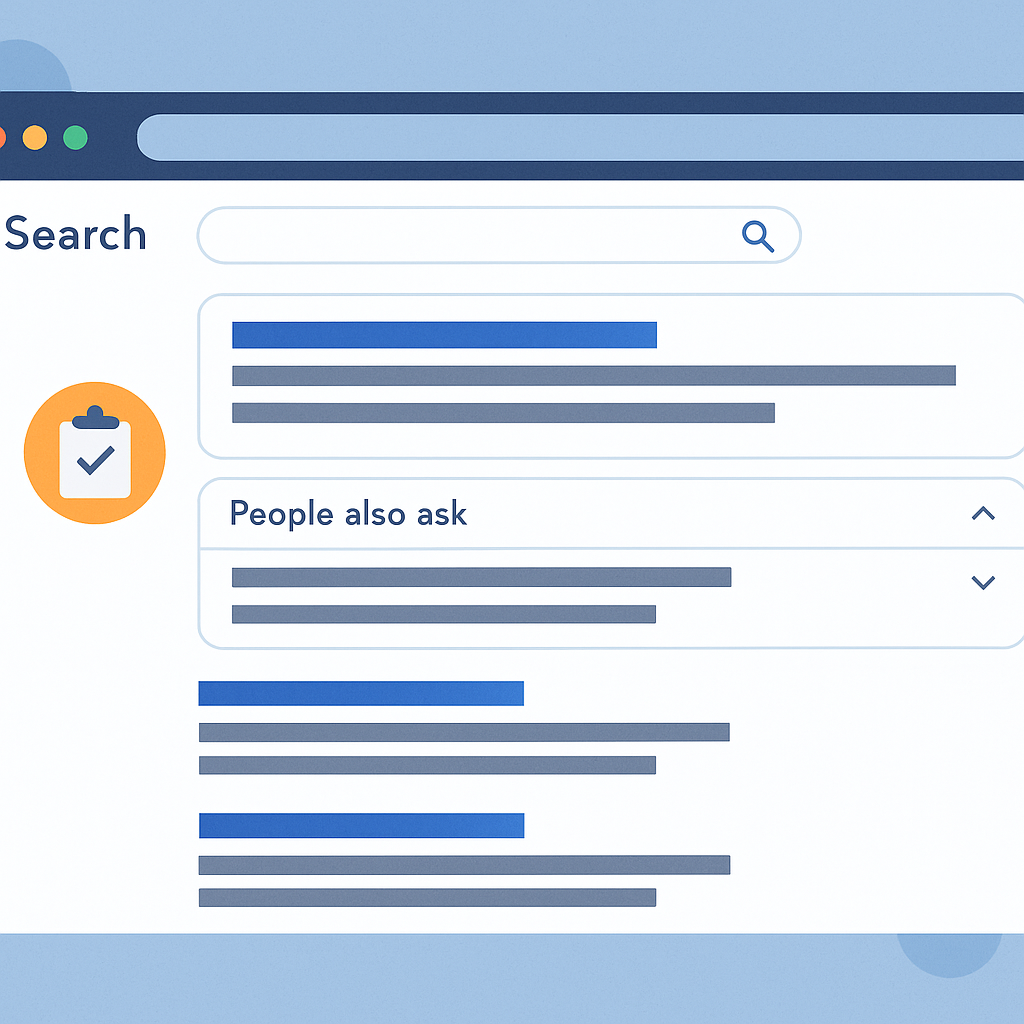
As search engines increasingly provide direct answers on the results page, users often get the information they need without visiting a website. This shift can be seen in featured snippets, knowledge panels, and quick answer boxes. Knowing how to optimize for zero click searches can help brands maintain visibility, strengthen authority, and capture attention even when a click does not occur.
Understanding the Rise of Zero Click Searches
Zero click searches occur when users find their answer directly on the search engine results page without clicking on any organic result. This can happen through featured snippets, instant answers, local packs, and other SERP features. According to various studies, more than half of Google searches now end without a click, a trend driven by mobile usage, voice search, and Google’s own push toward providing direct answers.
Why Zero Click Search Optimization Matters
Even though zero click searches reduce traffic to websites, they offer significant branding benefits. When your content appears in a featured snippet or other high visibility SERP feature, your brand is presented as a trusted authority. This can increase brand recall, drive indirect visits later, and influence user decisions. Optimizing for zero click searches ensures that your business remains part of the conversation, even if the immediate visit does not happen.
Targeting Featured Snippets
Featured snippets appear at the top of search results and display a direct answer to a user’s query. To win this position, you need to structure your content so that it answers a specific question clearly and concisely. Use short paragraphs, bullet points, or numbered lists to present the answer, followed by more detailed explanations below. Including the target keyword in the question and answer format can also improve your chances of being selected.
Leveraging Structured Data Markup
Structured data, also known as schema markup, helps search engines better understand the content on your page. This can lead to enhanced SERP displays such as rich snippets, review stars, event listings, and FAQs. Adding schema for your products, articles, recipes, or services increases the likelihood that Google will feature your content in zero click formats. Use tools like Google’s Structured Data Testing Tool to validate your markup.
Optimizing for People Also Ask Boxes
The People Also Ask (PAA) box is another key area for zero click search optimization. These expandable question boxes provide related questions and their answers directly on the SERP. To appear in PAA, identify related questions for your keyword and create concise, direct answers on your page. Incorporating these questions into subheadings can also help Google match your content with user queries.
Creating Content for Voice Search
Voice search queries often result in zero click answers, particularly through smart speakers and mobile assistants. To optimize for this, focus on conversational keywords, natural language, and concise answers to common questions. Many voice search results are pulled directly from featured snippets, so content that is already optimized for snippets is likely to perform well in voice search too.
Local SEO for Map Packs
Local searches often result in zero click interactions when users get the needed information from Google’s local pack. Optimizing for local SEO involves claiming and updating your Google Business Profile, ensuring accurate contact information, adding high quality photos, and encouraging positive reviews. A complete and active profile can help your business dominate local SERP real estate.
Using FAQ Sections to Capture SERP Space
Adding a detailed FAQ section to relevant pages can help capture additional SERP space through FAQ rich results. Each question should be formatted as a header, followed by a concise answer. Mark up the section with FAQ schema to signal to search engines that the content is suitable for display in this format. This can increase your chances of appearing in multiple SERP features for the same query.
Measuring Success Beyond Clicks
When optimizing for zero click searches, traditional traffic metrics are not enough. Track impressions, SERP position, and brand searches to understand the real impact of your optimization efforts. A rise in brand searches after appearing in a featured snippet, for example, indicates increased brand awareness even if direct clicks did not increase.
Best Practices for Zero Click Search Optimization
- Answer questions directly – Provide short, clear responses before offering detailed explanations.
- Focus on high intent keywords – Target queries where your visibility can influence purchase or brand perception.
- Update content regularly – Keep information current to maintain SERP placement.
- Combine strategies – Use featured snippet targeting, PAA optimization, schema markup, and local SEO together.
- Track SERP features – Monitor which queries trigger zero click formats and adjust your strategy accordingly.
Building Authority Through SERP Presence
Zero click searches are changing the way people interact with search results. By learning how to optimize for zero click searches, businesses can stay visible and influential even when a user does not click through to their site. The key is to provide clear, structured, and authoritative answers that meet the needs of both search engines and users. Brands that adapt to this new landscape will gain a long term advantage in search visibility and trust.