
What Are Content Clusters and Pillar Pages?
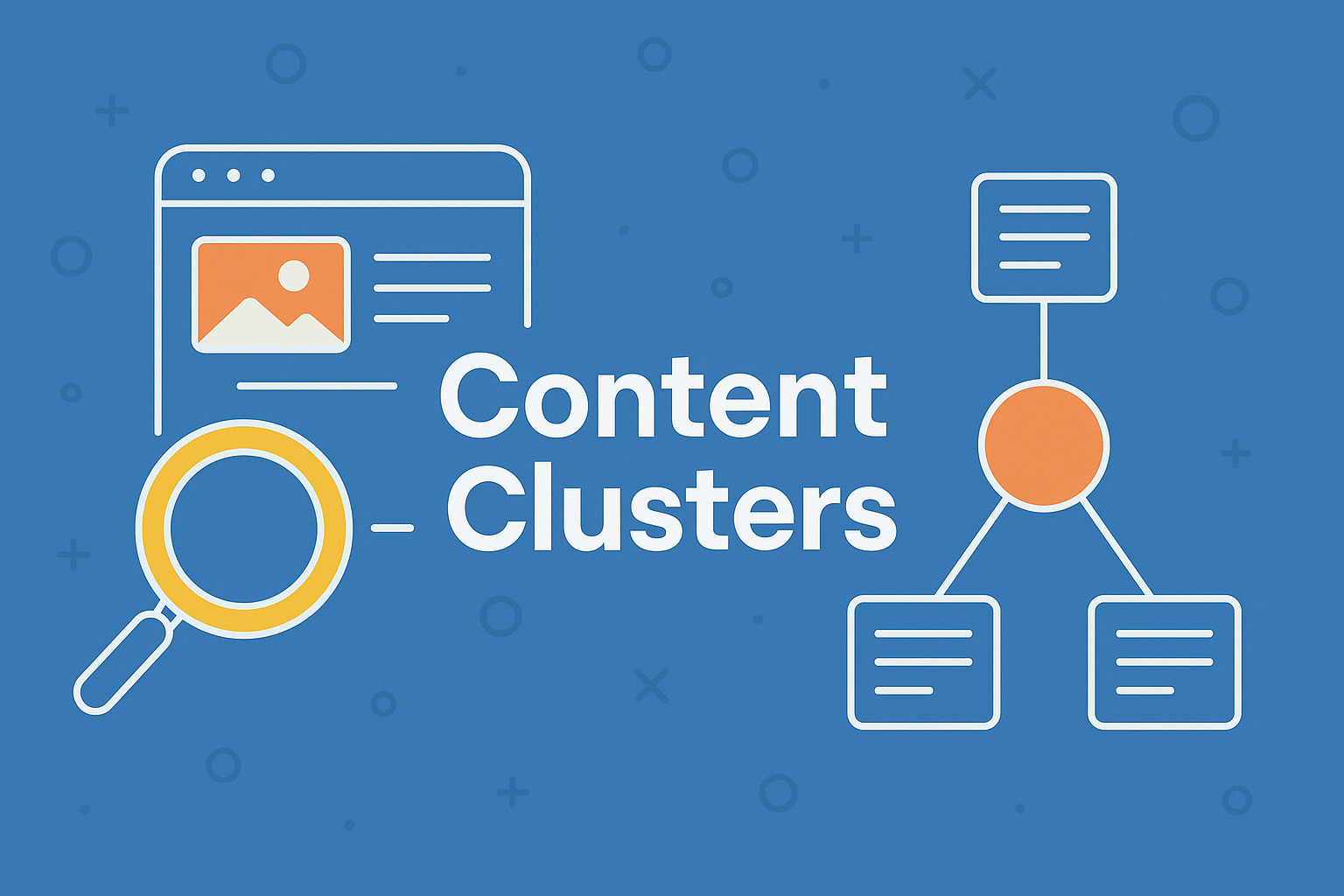
Content clusters and pillar pages represent a powerful SEO strategy that aligns with how search engines understand and rank content. Rather than optimizing individual blog posts in isolation, content clustering organizes related content around a central theme, boosting topical authority and internal linking structure.
At the center of this model is the pillar page. A pillar page is a comprehensive resource that covers a broad topic and links to more specific, related subtopics—these subtopics are called cluster content. Each cluster article dives deeper into a particular aspect of the main topic and links back to the pillar page, forming a clear content hierarchy.
Why the Cluster Model Matters for SEO
Search engines like Google have evolved beyond basic keyword matching. Today’s algorithms focus on context, semantic relationships, and topic relevance. The cluster model helps establish your site as an authority by signaling that you cover a subject comprehensively and cohesively.
Pillar pages and clusters also improve crawlability. Search engines can better understand your content architecture and distribute link equity across pages. This internal linking framework not only enhances discoverability but also improves the user journey, guiding visitors to explore multiple pieces of related content.
How to Build a Pillar Page Strategy
Start by identifying core topics relevant to your business. These should be broad subjects with high search volume and long-term relevance. Examples might include “email marketing,” “real estate investing,” or “cybersecurity basics.”
Once you select a core topic, develop a detailed pillar page that serves as a foundational guide. It should provide an overview and include sections that briefly introduce each subtopic, with links to separate blog posts or pages that explain those areas in more depth.
Each cluster content piece should:
– Address a narrow aspect of the pillar topic
– Use long-tail keywords relevant to the subtopic
– Link back to the pillar page naturally
– Incorporate visuals, examples, and internal links to other cluster pieces
This interlinking structure builds topical depth and encourages longer site visits, improving engagement metrics.
Best Practices for Pillar and Cluster Content
- Use clean URL structures that reflect content hierarchy
- Ensure each cluster page can stand alone but ties back to the central theme
- Update pillar pages regularly to keep content evergreen
- Optimize internal anchor text using keyword variations
- Design pillar pages with user experience in mind—scannable sections, jump links, and strong visuals
Tools to Support Topic Clustering
Several content and SEO tools can help you map out and execute a content cluster strategy. Platforms like HubSpot, SEMrush, Surfer SEO, and Clearscope can identify keyword opportunities and content gaps within your topic area. Visual tools like Miro or Whimsical can also assist in planning your cluster layout before writing begins.
Establishing Authority Through Structure
A strong content cluster signals to both users and search engines that your site is a credible source of information. It shows that your expertise goes beyond surface-level answers and that you’re willing to explore a topic from every angle. For businesses, this strategy often leads to better rankings, improved conversions, and increased brand trust over time.