
What is Field Marketing and Why It Matters
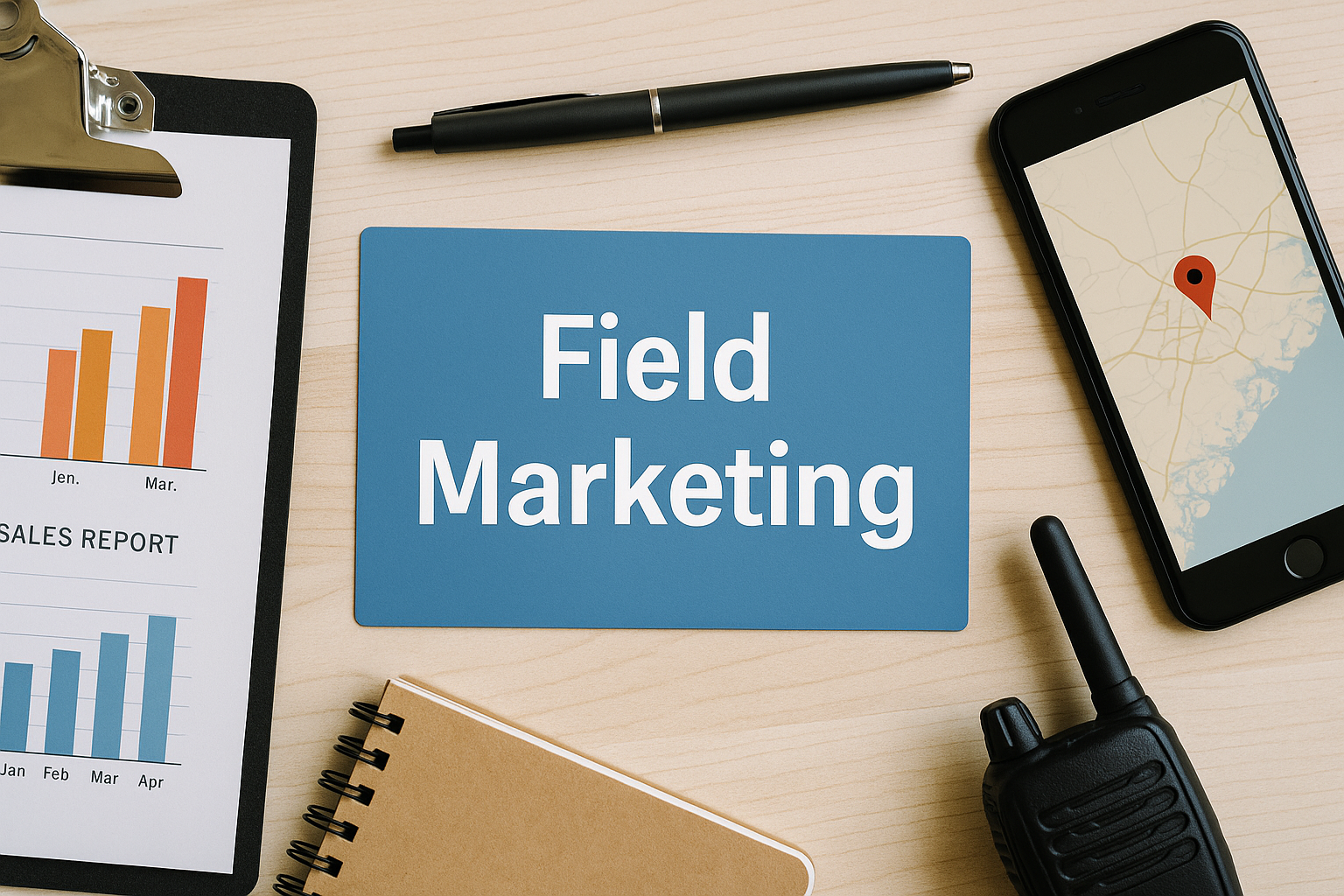
Field marketing is a direct marketing strategy that involves engaging with potential customers in person, usually outside of a traditional office or retail environment. It focuses on building relationships, generating leads, and increasing brand awareness through face-to-face interactions, events, and on-site activations.
How Field Marketing Works
Unlike digital or remote strategies, field marketing is executed in the real world. It requires trained representatives to interact with customers at locations such as trade shows, conferences, campuses, retail spaces, or high foot traffic areas. These engagements can include product demonstrations, free samples, branded giveaways, or consultations. The goal is to create memorable experiences that lead to qualified leads and stronger brand recall.
Field Marketing vs Traditional Advertising
While traditional advertising delivers messages to a broad audience, field marketing is focused and highly targeted. It allows businesses to gather feedback in real time, respond to objections directly, and observe customer behavior. This level of interaction is not possible with static media like billboards or digital banners.
Key Objectives of Field Marketing
- Generate high intent leads through direct contact
- Educate potential customers on complex or high value products
- Drive traffic to retail stores or events
- Build brand loyalty through personal interaction
- Support product launches with live demonstrations
Common Field Marketing Tactics
Businesses use a range of strategies to achieve their field marketing goals. These include:
- Product sampling in public spaces
- Mobile roadshows and branded vehicles
- In store promotions and retail audits
- Street teams and brand ambassadors
- Event sponsorship and booth activations
Each tactic is designed to create touchpoints with the target audience and generate interest in the brand or product.
Tools Used in Field Marketing
Although field marketing happens offline, many teams use digital tools to support operations and measure performance. These tools include:
- Customer Relationship Management platforms to track leads
- Field team scheduling and route optimization software
- Surveys and mobile apps for real time data collection
- Event management platforms to coordinate logistics
Data collected through field campaigns is often synced with central marketing databases to ensure alignment across channels.
Benefits for B2B and B2C Companies
For B2B companies, field marketing is effective for engaging enterprise clients at conferences or industry events. It allows sales teams to build rapport with decision makers and showcase solutions in a personalized setting. In B2C, field marketing supports brand affinity and impulse purchasing by creating memorable, high energy experiences in public spaces.
Team Structure and Skill Requirements
Successful field marketing teams are made up of professionals with strong communication skills, product knowledge, and the ability to adapt quickly in dynamic environments. Common roles include:
- Field Marketing Manager
- Event Coordinator
- Brand Ambassador
- Sales Enablement Specialist
These roles often collaborate closely with the sales, product, and marketing teams to ensure alignment across campaigns.