
Customer Persona Mastery: How to Create Profiles That Drive Smarter Marketing
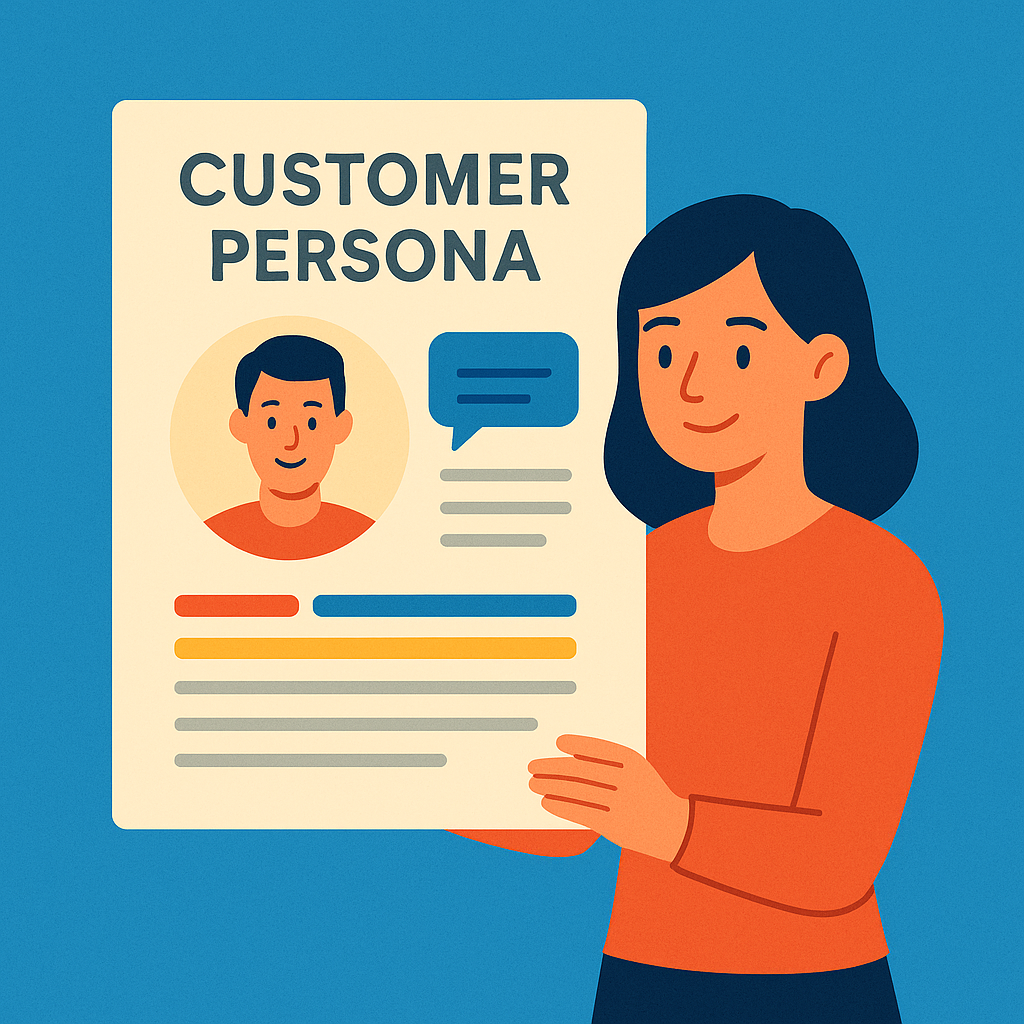
Effective marketing begins with knowing exactly who you are talking to. A customer persona brings that audience into focus. Instead of guessing what your customers want, a customer persona gives your team a clear, data-driven profile of your ideal buyer. This tool helps you tailor your messaging, personalize campaigns, and prioritize channels that matter most. Without it, your marketing is just noise. With it, you create resonance and relevance.
What Is a Customer Persona
A customer persona is a semi-fictional representation of your ideal customer based on real data and market research. It outlines key traits such as demographics, behaviors, motivations, goals, challenges, and buying preferences. These profiles help marketing, sales, and product teams understand who they are serving—and how to serve them better.
Why Customer Personas Matter
Customer personas align your entire organization around your audience. They inform copywriting, creative development, sales outreach, and even product roadmap decisions. When done well, they improve conversion rates, reduce churn, and make every touchpoint more relevant.
Benefits of Using Customer Personas
- Improved Targeting: Speak to specific needs rather than general assumptions
- Higher Engagement: Personalized messaging that resonates with actual problems
- Efficient Budget Allocation: Focus on channels your customers actually use
- Stronger Team Alignment: Marketing and sales speak with a unified voice
- Better Product Decisions: Build features that solve the right problems
How to Create a Customer Persona
Developing a strong customer persona requires a mix of data collection, internal insight, and qualitative research. Follow these steps to create personas that truly reflect your audience.
1. Start with Customer Data
Review your CRM, website analytics, email performance, and sales history. Look for patterns in behavior, purchase history, device usage, and lead sources. This reveals who is engaging with your brand and how.
2. Conduct Stakeholder Interviews
Your frontline staff—sales reps, customer support agents, and account managers—often know your customers better than anyone. Gather their insights through interviews or surveys. Ask them what challenges customers bring up, what objections they raise, and what keeps them coming back.
3. Survey Your Customers
Go directly to the source. Create a short survey for existing customers to uncover their job roles, goals, pain points, decision criteria, and content preferences. Offer a small incentive to boost response rates if needed.
4. Identify Common Patterns
Group the data by shared characteristics. For example, you may discover one segment includes first-time business owners who prioritize price and speed, while another includes senior professionals who focus on long-term value and trust. These segments form the foundation of your customer personas.
5. Build the Persona Profiles
Each persona should include the following details:
- Name and Job Title: Create a realistic character with a professional role
- Demographics: Age, location, education, industry, company size
- Goals: What they are trying to achieve in their role or life
- Challenges: What is stopping them from reaching those goals
- Buying Behavior: What drives their decisions, from channels to trust factors
- Preferred Content: Blogs, videos, whitepapers, social platforms
Examples of Customer Personas
Persona 1: Startup Sam
Age 32, Founder of a tech startup with under 10 employees. Sam is scrappy, budget conscious, and focused on fast growth. He reads LinkedIn newsletters, skips long webinars, and prefers quick wins. His biggest challenge is time and scaling demand generation with limited resources.
Persona 2: Director Dana
Age 45, Director of Marketing at a mid-sized B2B SaaS company. Dana has a team, a healthy budget, and looks for scalable solutions. She values case studies, peer benchmarks, and vendor reliability. Her biggest concern is proving ROI to the executive team.
Tips for Making Personas Actionable
Personas are not meant to sit in a slide deck. Make them part of daily decision making.
- Share them in campaign briefs and sales enablement docs
- Segment your email lists by persona types
- Reference personas in product planning discussions
- Use them to filter out irrelevant tactics or messaging
Maintaining and Updating Personas
Markets evolve. So should your customer personas. Review them quarterly or after major campaigns to see if assumptions still hold true. Update the profiles with new insights from analytics, customer feedback, or shifting product priorities.
A great customer persona is never finished. It grows alongside your business, your customers, and your market. The more accurate it becomes, the more effective your marketing becomes. And that is how brands turn insight into impact.