
The Six Principles That Still Sell: A Deep Dive into Influence by Robert Cialdini
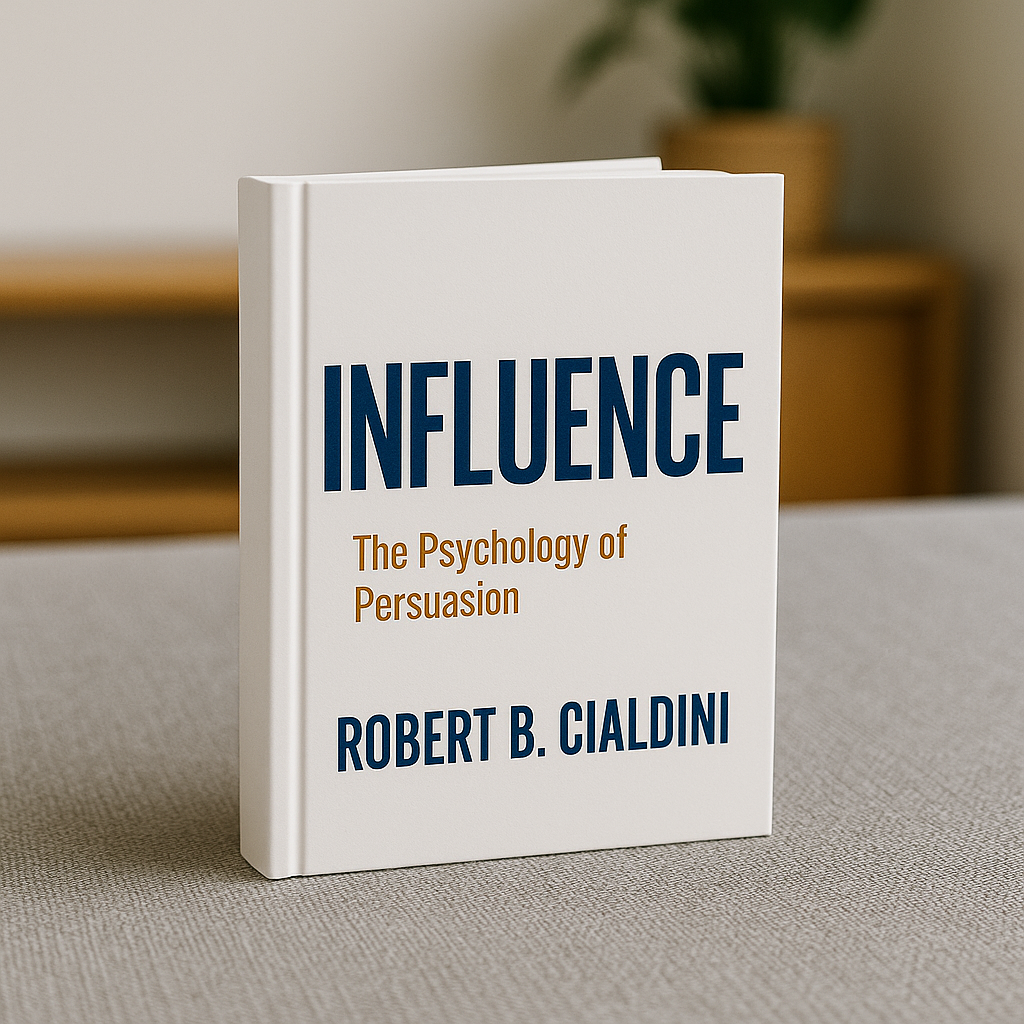
Robert Cialdini’s Influence: The Psychology of Persuasion is widely regarded as one of the most important books ever written on marketing and behavioral science. First published in 1984, the book outlines six psychological principles that explain why people say yes and how marketers can ethically use them to influence decisions. While decades have passed since its original release, the insights remain timeless—especially for marketers, advertisers, and business owners looking to drive action at scale.
Why Influence Still Matters
Influence: The Psychology of Persuasion is not a traditional marketing textbook. It is a behavioral blueprint. Cialdini’s research was based on years of observation, interviews, and immersion in real-world selling environments. The result is a practical framework that can be applied to everything from landing page design and pricing strategy to sales copy and social media content.
In the age of digital marketing, where attention spans are shrinking and trust is hard to earn, understanding why people act the way they do is more important than ever. The six principles Cialdini outlines are not tricks—they are hardwired behaviors shaped by evolution and human psychology. When used with integrity, these tools can help brands earn attention, drive conversions, and build long-term relationships.
The Six Principles of Influence
1. Reciprocity
People feel compelled to return favors. When someone gives us something of value—whether it is a free sample, helpful advice, or a downloadable guide—we are more likely to give something back. In marketing, this translates to offering value first through lead magnets, free trials, or educational content. The goal is not to manipulate, but to start the relationship on a generous note.
Modern examples:
- Free eBooks or checklists in exchange for email addresses
- Free trials for SaaS products
- Free consultations or audits from service-based businesses
2. Commitment and Consistency
Once people commit to something publicly or even in small steps, they are more likely to stay consistent with that behavior. This principle is powerful in behavior design and habit formation. In marketing, it can be applied through micro-conversions such as signing up for a newsletter or answering a quick survey before presenting the final offer.
Modern examples:
- Progress bars during sign-up or onboarding flows
- Small opt-ins that lead to larger product purchases
- Customer testimonials that show long-term brand loyalty
3. Social Proof
People look to others when making decisions, especially under uncertainty. Social proof leverages the behavior of others to validate a decision. Cialdini emphasizes that this is even more powerful when the people are similar to us. In marketing, this is why reviews, testimonials, and case studies work so well—they help potential buyers feel more confident in taking action.
Modern examples:
- User-generated reviews on product pages
- Real-time notifications like “4 people are viewing this right now”
- Customer logos or user count on SaaS websites
4. Authority
We tend to trust people who appear knowledgeable, credible, or in positions of power. Marketers can apply this principle by showcasing expertise, using credible third-party endorsements, or citing data and sources. Authority should be earned and displayed clearly in the form of credentials, awards, or long-term experience.
Modern examples:
- Featuring certifications, partner logos, or awards on a landing page
- Publishing bylined articles from credible thought leaders
- Including expert quotes or data to support claims
5. Liking
We are more likely to be influenced by people we like. This principle is based on the idea that similarity, compliments, and familiarity foster trust. For marketers, brand voice and personal connection play a critical role. Whether through founder stories, relatable content, or authentic brand tone, likability increases the chance of persuasion.
Modern examples:
- Founder-driven brands with personal video content
- Casual, friendly tone in email marketing
- Interactive experiences that encourage positive engagement
6. Scarcity
When something is limited, people value it more. This principle plays on loss aversion and the fear of missing out. Cialdini notes that scarcity must be both real and relevant to be effective. Fake scarcity erodes trust. Real scarcity, when communicated well, motivates quick action.
Modern examples:
- “Only 2 left in stock” or “Limited time offer” messaging
- Early bird pricing for events or courses
- Exclusive access for subscribers or VIP members
Ethical Application in Today’s Landscape
One of the most important messages in Influence: The Psychology of Persuasion is the emphasis on ethical use. Cialdini does not advocate for manipulation. Instead, he encourages marketers to understand these behaviors so they can use them responsibly and transparently. These principles are about alignment, not coercion. When used with integrity, they create better customer experiences and stronger brands.
Applying Influence Across Channels
The beauty of Cialdini’s framework is its versatility. The six principles apply to websites, sales funnels, ads, emails, webinars, and even in-person meetings. Here is how modern marketers are putting them into action across platforms:
- In content marketing: Use authority and reciprocity to build trust and encourage engagement
- In paid media: Combine scarcity and social proof to increase click-through and conversion rates
- In email campaigns: Leverage commitment by gradually moving leads through a structured journey
- In product design: Implement social proof and liking to improve onboarding and reduce churn
Why This Book Still Belongs on Every Marketer’s Shelf
Influence: The Psychology of Persuasion is not just a marketing book. It is a behavioral playbook that reveals why people act, decide, and engage. In a digital environment where attention is fleeting and skepticism is high, these six principles give marketers the tools to earn trust, drive action, and create meaningful relationships.
Every campaign, landing page, or product launch that succeeds likely has at least one of these principles embedded in its core strategy. Whether you are just starting out or have years of experience, Cialdini’s work will sharpen your instincts and raise your standards. It belongs on your desk, not your bookshelf.