
What Is Native Advertising?
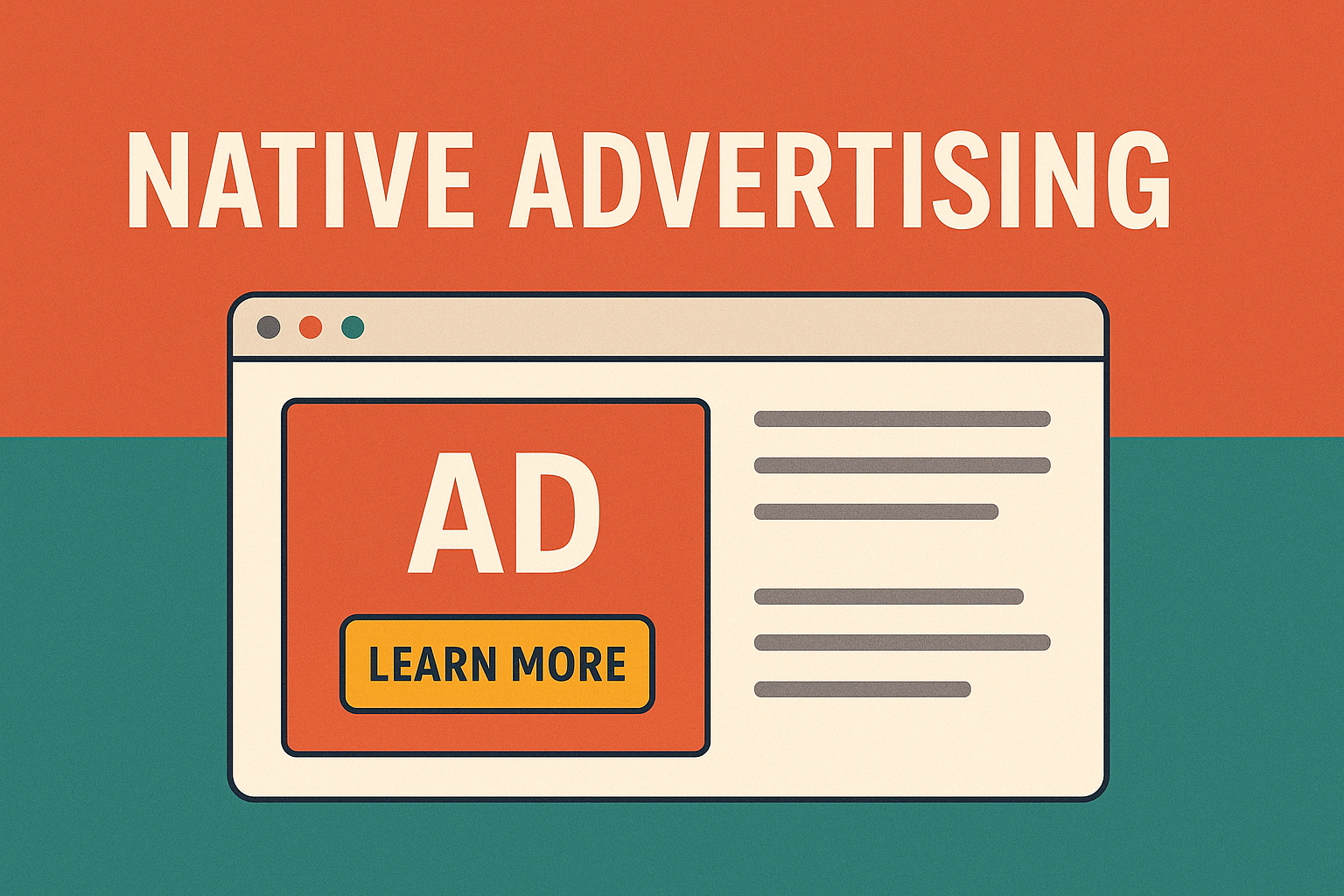
Native advertising is a form of paid media that matches the look, feel, and function of the platform where it appears. Unlike traditional display ads that interrupt the user experience, native ads blend seamlessly with editorial content, providing a non-disruptive and often more engaging approach to reaching audiences.
Understanding Native Advertising
At its core, native advertising aims to deliver promotional content in a format that feels organic to the user. This may include sponsored articles, promoted listings, or social media ads that resemble regular posts. Because native ads mirror the design and tone of the surrounding content, they are less likely to be perceived as intrusive or ignored.
Types of Native Advertising
Native advertising comes in several formats, including:
- In-Feed Units: Ads that appear within the content feed of websites or apps, such as sponsored articles on news sites or promoted posts on social media.
- Recommended Content: Widgets at the bottom or sidebar of articles promoting related content, often marked as “sponsored” or “recommended for you.”
- Search Ads: Paid search listings that resemble organic search results, typically labeled with “Ad” or “Sponsored.”
- Promoted Listings: Paid product placements on ecommerce platforms like Amazon or Etsy, which look like organic listings but are ranked higher due to sponsorship.
- Custom Content: Long-form articles, videos, or infographics created in collaboration with publishers to align with their editorial style and tone.
Benefits of Native Advertising
- Higher Engagement: Because native ads are integrated into the user experience, they often see higher click-through and engagement rates than traditional banner ads.
- Improved Trust and Credibility: Well-crafted native ads provide value through useful content, leading to better brand perception and trust.
- Better Performance on Mobile: Native formats are naturally mobile-friendly, making them highly effective in mobile-first environments.
- Bypass Ad Blockers: Many native ads are not recognized by standard ad blockers, increasing the chance they’ll be seen by the intended audience.
Best Practices for Native Advertising
- Label Clearly: Always disclose that content is sponsored. Transparency builds trust and ensures compliance with advertising guidelines.
- Match Editorial Style: Ensure the tone, format, and style of your native ad aligns with the surrounding content for a seamless experience.
- Provide Real Value: Focus on delivering useful, relevant, or entertaining content. Native ads should educate, solve a problem, or inspire.
- Test and Optimize: Like any digital marketing effort, A/B test headlines, imagery, and content structure to improve performance over time.
Common Platforms for Native Advertising
Several ad networks and content discovery platforms support native advertising, including:
- Taboola
- Outbrain
- Sharethrough
- Yahoo Gemini
- Facebook Audience Network
- Google Discovery and Display Ads
Conclusion
Native advertising offers a powerful way to connect with audiences in a more natural and engaging manner. By integrating promotional content within a platform’s existing design and user experience, brands can increase visibility, drive higher engagement, and build trust with their audience. When done right, native advertising is not only effective but also enhances the user experience rather than disrupting it.